
When Is It Time to Retire Your Scuba Regulator?
Would You Trust Your Life to a 40-Year-Old Regulator?
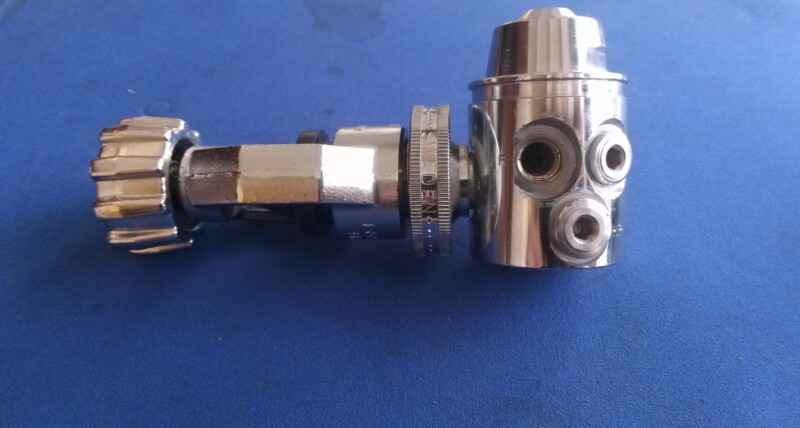
No one expects to play competitive tennis with a 40-year-old wooden racket. Technology has improved dramatically. Yet every year, divers bring in regulators for maintenance that are 30 or 40 years old, expecting them to perform like modern equipment.
Parts availability isn’t the whole story. Just because a service kit exists doesn’t mean the regulator still meets today’s expectations for breathing performance or reliability. The first question is: Are we dealing with a genuine factory service kit, or have aftermarket parts been substituted? That answer alone can have a significant impact on the regulator’s performance and reliability.
Materials age. Metal fatigue, corrosion, aging plastics, rubber components, and decades of wear all matter. Just as important is how well the regulator has been cared for and how consistently it has been serviced. Hoses have a lifespan as well, and many manufacturers recommend replacement every six to eight years. The last thing you need is a ruptured hose that ruins a dive—or worse.
One of the most overlooked components in an aging regulator is the spring. Springs are precision components, and after decades of being compressed, cycled, exposed to salt water, temperature changes, and corrosion, they simply don’t perform the way they did when new. While a regulator may still be serviceable, it can become increasingly difficult—or sometimes impossible—to tune it to the same breathing performance it delivered when it left the factory. Experienced technicians often see regulators that technically function but can no longer be adjusted to consistently meet factory specifications.
Standards have evolved. Modern regulators breathe easier, perform better in demanding conditions, and are generally easier to tune to factory specifications. They also offer features and performance improvements that simply didn’t exist decades ago.
The divers using them have changed. Many owners are older than when they bought their regulator. As we age, we generally benefit from equipment that reduces breathing effort rather than increases it. We all enjoy talking about our old faithful regulator. It represents years of memories and adventure, and there is comfort in using familiar equipment. But a modern regulator can provide greater comfort, reduced work of breathing, and an additional margin of safety.
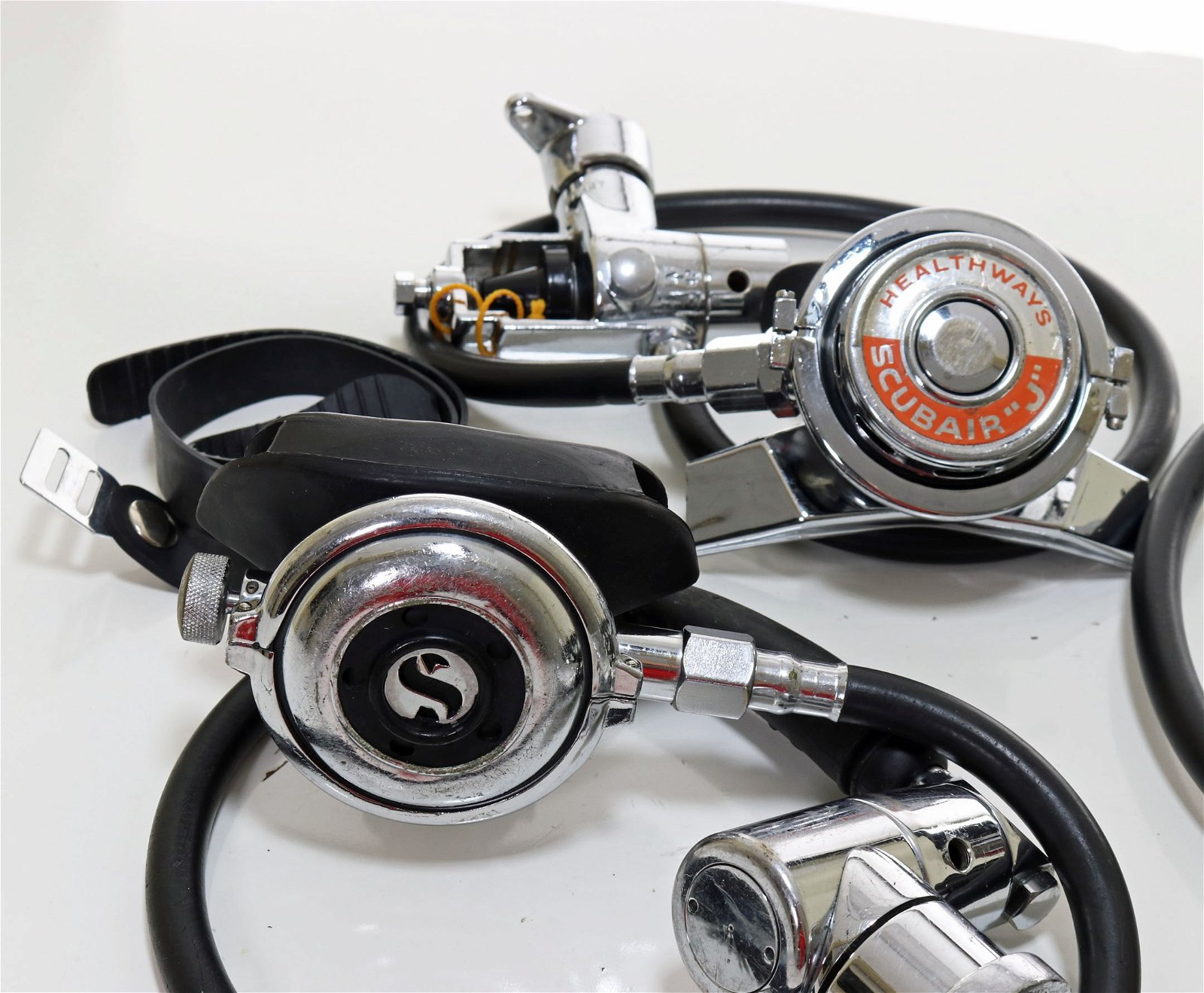
There’s a difference between vintage collecting and life-support equipment. A beautifully restored classic regulator may deserve a place in a display case, but not necessarily on every dive. Vintage scuba events can be a great deal of fun and are often conducted in shallow water under controlled conditions. Some of the regulators I see on my service bench are better suited for those events than for everyday diving.
As technicians, our job isn’t simply to make equipment function. Our responsibility is to help divers make informed decisions about the life-support equipment they trust every time they descend beneath the surface.
This is one reason experienced technicians sometimes recommend retiring a regulator even when genuine service kits are still available. The issue isn’t just replacing worn o-rings. It’s recognizing when the regulator can no longer be adjusted to consistently meet the performance and reliability standards expected of modern life-support equipment.
During servicing, we don’t just ask, “Can this regulator be repaired?” We ask, “Would I trust this regulator for a deep dive, a wreck penetration, or to supply breathing gas to someone I care about?” Those are two very different questions.
A regulator is more than another piece of scuba equipment. It is your life-support system, and every breath you take underwater depends on it working exactly as intended.
There isn’t a specific birthday when every regulator should be retired. Some well-maintained regulators can provide many years of reliable service, while others reach the point where continued repairs no longer make technical or practical sense. The decision should be based on condition, performance, the availability of genuine parts, and an honest evaluation by an experienced technician—not simply because a service kit still exists.
If your regulator is approaching 20, 30, or even 40 years of age, don’t assume it’s ready for another decade of diving simply because it passed its last annual service. Have an honest conversation with a qualified technician about its condition, its performance, and whether it still meets the demands of the diving you do today.
At Neptune’s Splendor Scuba, we believe divers deserve honest advice. Sometimes that advice is, “This regulator has many good years ahead of it.” Other times, it’s, “You’ve gotten your money’s worth, and it’s time to retire an old friend.” Our goal is never to sell equipment you don’t need. Our goal is to help ensure every dive begins with confidence in the equipment that is keeping you alive.