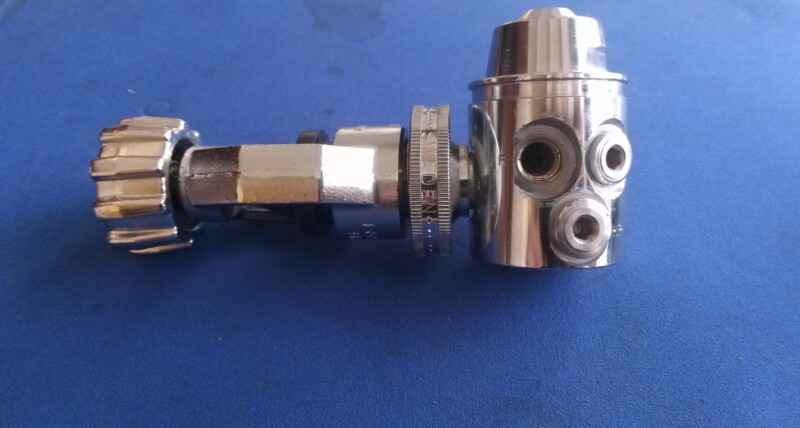


When Is It Time to Replace Your Scuba Regulator?
As a scuba regulator technician with over 35 years of experience, I’ve seen just about every kind of regulator you can imagine—some brand-new, some well-loved, and some that really should have retired decades ago. While many older regulators can still function, there comes a point where replacing your regulator isn’t just about performance—it’s about safety, comfort, and making the most of your dives.
1. When Your Regulator’s Age Catches Up With It
Scuba regulators are built tough, but like all gear, they have a lifespan. Over time:
-
Parts become harder to source — Manufacturers eventually discontinue service kits for older models.
-
Metal fatigue and corrosion can weaken internal components.
-
Design improvements in newer models offer noticeably better performance.
If your regulator is more than 15–20 years old, even if it still works, it may be time to weigh the cost of continued service against the benefits of an upgrade.
2. For the Aging Diver: Comfort and Ease of Breathing
I work with many divers who’ve been in the sport for decades. As we get older, lung capacity and stamina can change. A modern regulator, designed for effortless breathing at depth, can make a world of difference in comfort, gas efficiency, and overall enjoyment.
-
Balanced diaphragms and adjustable inhalation resistance help reduce breathing effort.
-
Lightweight second stages reduce jaw fatigue during long dives.
-
Smooth air delivery helps conserve energy, especially in current or deeper dives.
If your regulator feels like it’s making you work for each breath, it’s time to consider an upgrade—your body will thank you.
3. When It’s Been Neglected for Years
Regulators that sit unused for long periods can develop internal corrosion, stuck valves, and degraded O-rings. In some cases, a long-neglected regulator can be revived with a thorough service—but if the repair bill rivals the cost of a new entry-level regulator, you’re often better off starting fresh.
-
Example: If your reg hasn’t been serviced in 8–10 years, the internal damage can be significant.
-
Budget-friendly modern options now deliver excellent breathing performance without breaking the bank.
4. The Cost-Benefit Balance
Here’s the truth:
-
Service cost + parts over several years can exceed the cost of a reliable new regulator.
-
Modern designs are lighter, more efficient, and often easier to maintain.
If you’re facing a major overhaul on an outdated reg, ask yourself: Is it worth investing more money in older technology?
Replace or Service? Quick Guide for Scuba Regulators
| Signs It’s Time to Replace | Signs It Can Be Serviced |
|---|---|
| Model is 15–20+ years old and parts are no longer available | Manufacturer still supports the model with service kits |
| Service cost approaches or exceeds cost of a new regulator | Minor wear and tear with no major corrosion |
| Persistent performance issues even after servicing | Regulator has been serviced regularly (annually or biannually) |
| Heavy breathing effort compared to modern designs | Breathing performance still meets original specs |
| Significant corrosion, pitting, or cracking in metal parts | Cosmetic wear only—no structural damage |
| Neglected for 8–10+ years and showing internal damage | Well-maintained and stored properly between dives |
| You want lighter weight and easier breathing for comfort (especially as you age) | You’re satisfied with its comfort and breathing effort |
Final Thoughts
Your regulator is your lifeline underwater—it’s not a place to cut corners. Whether you’re a new diver or a seasoned veteran, an easy-breathing, well-maintained regulator can enhance safety and enjoyment on every dive.
If you’re unsure about your regulator’s future, bring it to a qualified technician for an honest assessment. Sometimes a service will keep it going for years, but sometimes it’s simply time to say goodbye and welcome a modern replacement.