
Do Hose Protectors Really Protect?
As a scuba instructor and gear technician, I’ve spent a lot of time inspecting, servicing, and troubleshooting regulator setups. One common piece of equipment I’ve grown increasingly skeptical about is the hose protector—those stiff rubber or plastic sleeves that cover the connection between a hose and its fitting.
Originally intended to reduce stress on the hose near the crimp and prevent failure from repeated bending, hose protectors seem logical in theory. But in practice, especially in saltwater environments, they can actually cause more harm than good.
The Hidden Problem
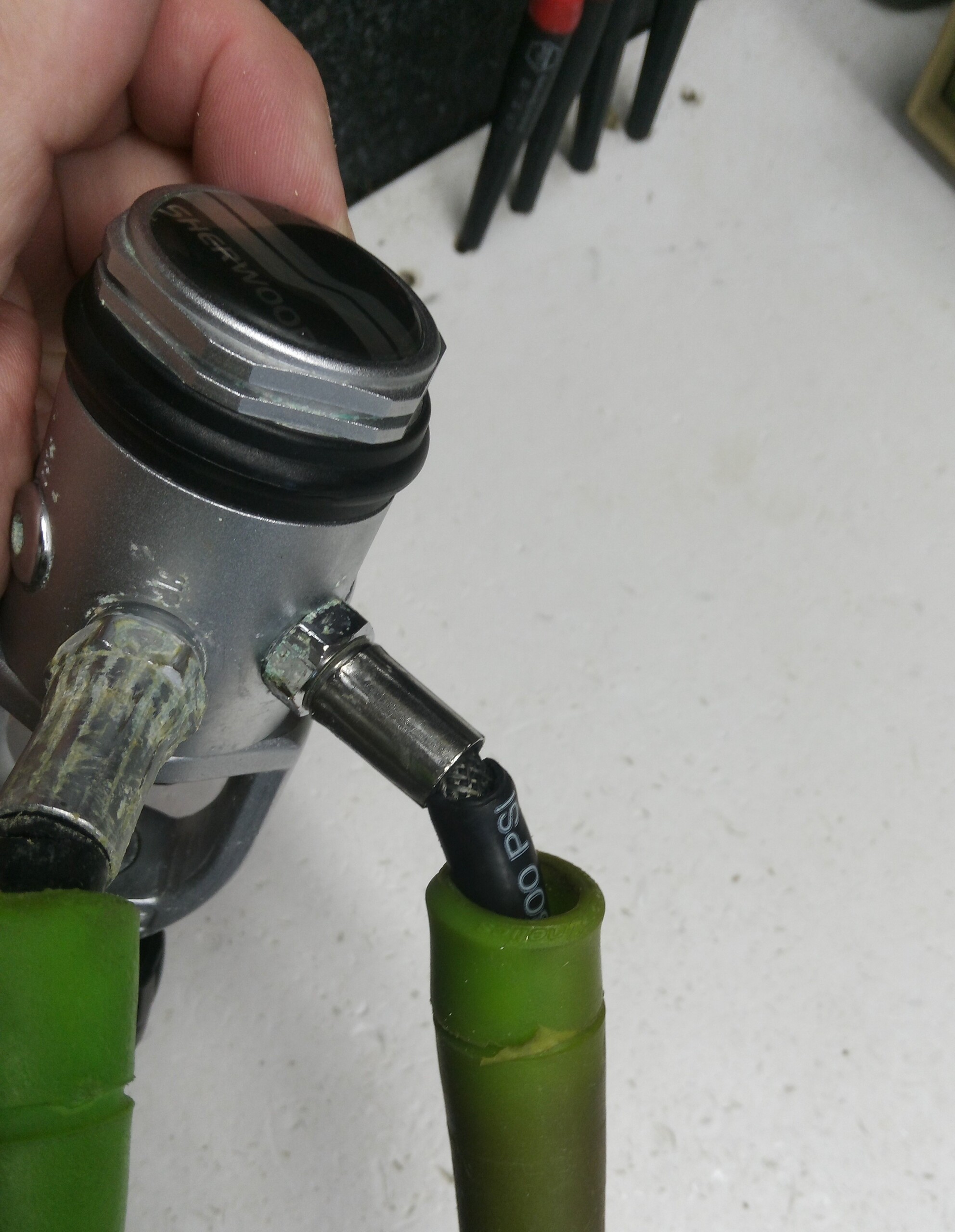
What many divers don’t realize is that hose protectors tend to trap water—especially saltwater—right at the metal connection where corrosion does the most damage. When regulators are stored wet or not thoroughly rinsed, this trapped moisture creates a breeding ground for galvanic corrosion, weakening the crimp and potentially compromising hose integrity.
Worse still, hose protectors make it harder to visually inspect the crimped ends of hoses—the very area that should be checked regularly for signs of bulging, cracking, or wear.
Modern Hoses Don’t Need Them
Most modern regulator hoses are engineered with improved reinforcement near the fittings. When hoses are properly routed—not kinked or sharply bent—they don’t require additional support. In fact, I’ve seen more issues caused by hose protectors than prevented by them.
What I Recommend
For most personal scuba gear, I recommend removing hose protectors entirely. Here’s why:
-
Easier inspection and maintenance
-
Better rinsing and drying
-
Less corrosion risk
-
Cleaner, more streamlined rig
If you’re concerned about protecting your hoses, focus on good hose routing, gentle handling, and regular inspection. For high-wear environments like rental fleets, soft protectors with drain holes may offer some value—but even then, be cautious.
Final Thoughts
As with many things in diving, less is often more. Eliminating hose protectors might seem like a small change, but it can extend the life of your hoses, reduce corrosion risk, and help you spot issues before they become problems.
If you’re not sure what condition your regulator hoses are in, now’s a good time to take a look. Better yet, have them inspected by a qualified technician.