
NAUI Introduction to Technical Diving
Technical diving doesn’t begin with deeper dives. It begins with a different way of thinking.
The NAUI Introduction to Technical Diving course is one of my favorite programs to teach because it builds the foundation for everything that follows. Whether your goal is decompression diving, cave diving, wreck penetration, or becoming a more capable recreational diver, this course develops the mindset, discipline, and skills that advanced diving demands.
Many students discover that the lessons they learn in this course make them safer, more confident recreational divers long before they enroll in another technical class.
More Than Equipment
Technical diving discussions often revolve around equipment configuration. Browse almost any online forum and you’ll quickly find passionate debates about hose routing, backplates, regulators, or accessories.
Equipment certainly matters, but it represents only one piece of the puzzle.
Rather than simply telling you where to place a piece of equipment, I’ll explain why it belongs there. When you understand the reasoning behind equipment choices, you can evaluate new products, changing techniques, and evolving best practices throughout your diving career.
Technical diving has changed dramatically over the past decade, and it will continue to evolve. My goal is to teach principles, not just procedures.
Simplicity Creates Reliability
Throughout this course, we embrace one of the core philosophies of technical diving:
Keep It Simple and Streamlined (KISS).
Every unnecessary piece of equipment creates another potential failure point. Every task should have a purpose and every action should follow a consistent process.
By reducing complexity, we improve reliability, increase situational awareness, and respond more effectively when problems arise.
Building Fundamental Water Skills
Excellent equipment means very little without excellent diving skills.
We’ll spend a significant portion of the course developing the precision every technical diver needs, including:
- Precision buoyancy
- Proper trim
- Efficient propulsion techniques
- Back kick and helicopter turns
- Hovering and position control
- Situational awareness
- Maintaining team position and communication
These skills form the platform for every future technical dive.
Diving as a Unified Team
Technical diving depends on teamwork.
Throughout the course, you’ll learn standardized procedures for:
- Pre-dive planning
- Equipment preparation
- Team communication
- Gas-sharing procedures
- Emergency protocols
- Post-dive debriefings
Every diver must understand not only their own equipment and responsibilities but also those of every teammate. Standardization reduces confusion, strengthens communication, and helps the team solve problems efficiently.
Dive Planning and Risk Management
Successful technical dives begin long before anyone enters the water.
We’ll cover the planning process technical divers use, including:
- Gas planning and reserve calculations
- Oxygen exposure tracking (CNS and OTUs)
- Contingency planning
- Turn pressures and team gas management
- Dive sequencing and emergency considerations
Learning how to think through a dive before you make it remains one of the greatest benefits of this course.
Equipment Configuration
You’ll complete this course using a back-mounted doubles configuration.
Together we’ll adjust and configure your equipment while discussing the reasoning behind every major decision. Rather than memorizing a layout, you’ll understand the principles that make an equipment system efficient, streamlined, and reliable.
Is This Course Right for You?
If you’ve ever wondered why technical divers configure equipment the way they do, emphasize teamwork, or approach dive planning differently, this course will answer those questions.
Even if you never pursue decompression, cave, or wreck diving, you’ll leave with better buoyancy, stronger diving skills, greater situational awareness, and a more disciplined approach to every recreational dive.
Technical diving isn’t defined by depth.
It grows from preparation, precision, teamwork, and a commitment to continuous learning.
This course marks the beginning of that journey.
Course Format
I intentionally divide this course into two phases.
Phase One – Academics and Equipment Workshop
We’ll spend a full Saturday exploring the principles that make technical diving successful. This goes far beyond a classroom lecture. We’ll discuss equipment philosophy, dive planning, gas management, team protocols, and the reasoning behind every major equipment decision.
We’ll also configure equipment, adjust harnesses, route hoses, and fine-tune each diver’s system. More importantly, you’ll learn why each component belongs where it does, giving you the knowledge to evaluate future equipment choices with confidence.
Before You Buy… 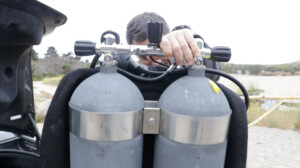
One of the most common mistakes new technical divers make is purchasing equipment before they fully understand what they need.
For that reason, please don’t purchase any technical diving equipment before the academic session without discussing it with me first.
Many manufacturers build excellent equipment, but divers still make expensive purchasing mistakes. Together we’ll build a system that matches your diving goals, your body, and your future training—not simply what someone on the internet recommends.
After the classroom session, you’ll have plenty of time to purchase any equipment you need before we begin the in-water portion of the course.
Access to Proven Equipment
As a Dive Rite dealer, Neptune’s Splendor Scuba offers access to one of the most respected technical diving equipment manufacturers in the industry.
For more than four decades, Dive Rite has supported cave explorers, deep wreck expeditions, and technical divers around the world. The company continues to refine its equipment while staying true to reliability, simplicity, and functional design.
Although I never require students to purchase a particular brand, I’ll gladly help you compare options and build an equipment system that will serve you for many years.
Phase Two – In-Water Training
After you acquire and properly configure your equipment, we’ll schedule the diving portion of the course.
That approach lets us focus on developing skills instead of making equipment adjustments. You’ll spend your time mastering buoyancy, trim, propulsion techniques, team communication, emergency procedures, and the disciplined mindset that technical diving demands.
My goal goes well beyond checking off required skills. I want every student to understand each concept, perform every skill with confidence, and develop habits that will last throughout a lifetime of diving.
Invest Wisely
Technical diving equipment represents a long-term investment.
My goal isn’t to sell you equipment—it’s to help you buy the right equipment the first time. A carefully planned equipment system can support years of recreational, technical, cave, or wreck diving with only minor changes as your training and experience grow.