
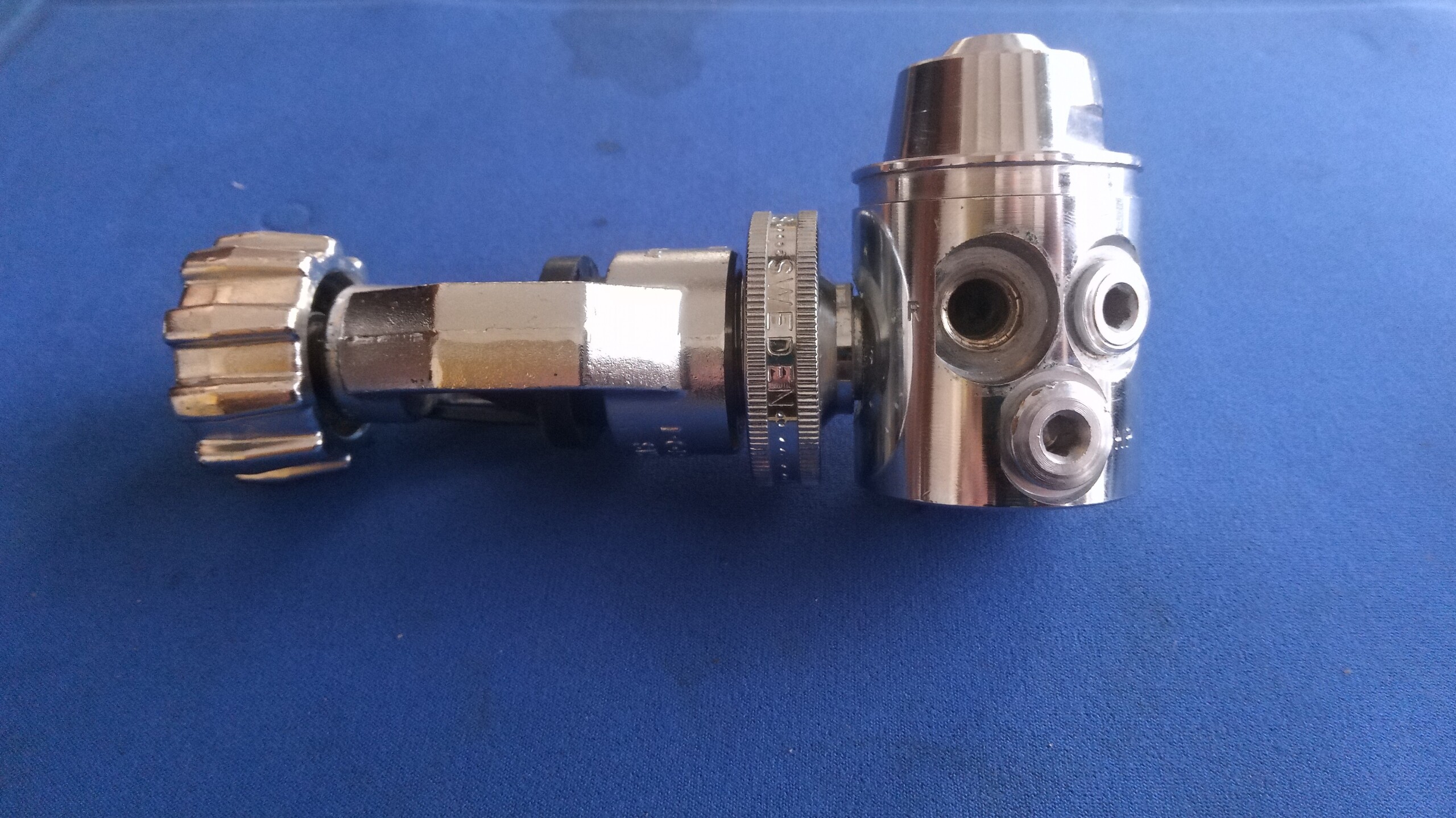
Stop Storing Your DIN Regulator with the Yoke Converter On
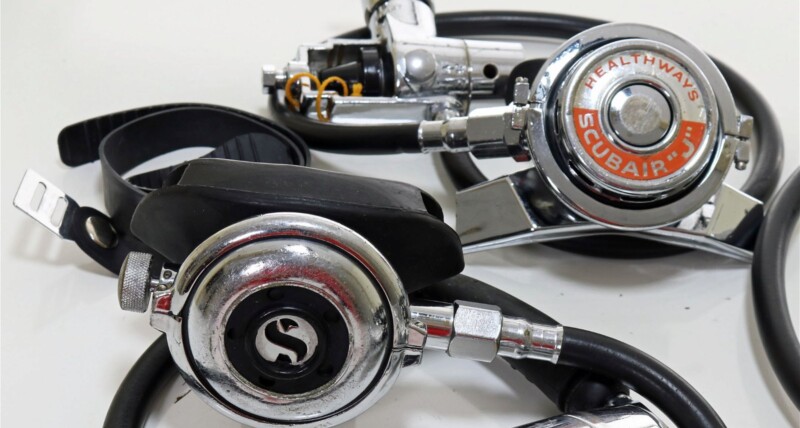
As a scuba technician with over 35 years of hands-on experience, I’ve seen just about every way a regulator can be stored — and plenty of ways they shouldn’t be. One issue that comes up far too often is divers leaving their DIN-to-yoke converter firmly in place on their regulator between dives.
Why This Is a Problem
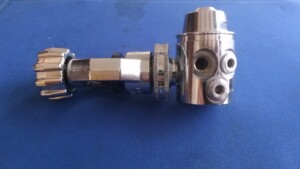
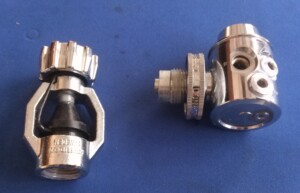
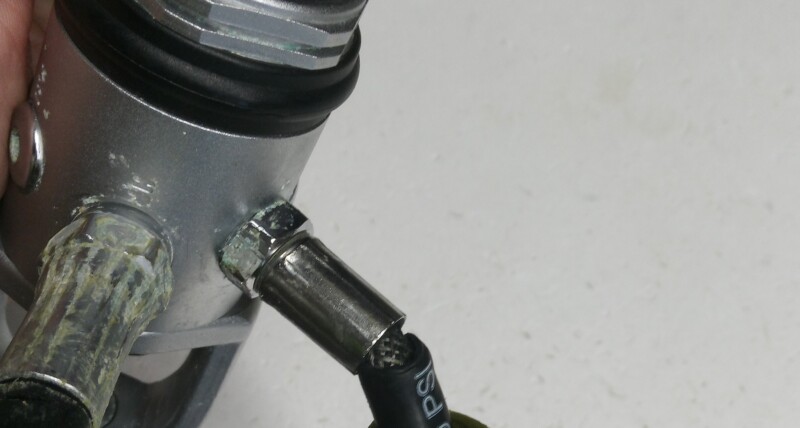
DIN threads and yoke converters are both metal. When stored together in a damp environment, even with light salt or pool water residue, galvanic activity can occur. Over time, this can cause the converter to seize onto the DIN fitting. In some cases, removing it later requires tools — or even risks damaging the threads.
Best Practices for Storage
If you want your regulator to last and avoid expensive repairs, follow these tips:
-
Remove the converter after each dive or trip.
-
Rinse thoroughly in fresh water, paying attention to the DIN threads.
-
Dry completely before storing — moisture is the enemy here.
-
Lubricate threads lightly with an appropriate oxygen-compatible lubricant if warranted.
-
Protect the threads with a non-metal DIN cap — this shields both the threads and the O-ring seat from damage.
-
Carry spare DIN O-rings in your save-a-dive kit so you’re never caught without one.
The Bottom Line
Your regulator is one of the most important pieces of scuba equipment you own. A little care and a simple habit change can save you headaches, repair bills, and potential dive delays. Store it properly, and it will keep serving you for many years to come.